
Walking Through Time: How to Engage with Places Like a Historian
- Greg Thompson
- Aug 5, 2025
- 5 min read


Some people travel for thrill. Others for rest. And then there are those of us who travel for connection—for the hush between the footstep and the story, for the feeling that time, somehow, is layered beneath our soles.
If you’re the kind of traveler who lingers at historic plaques, who imagines what a town square might have sounded like a century ago, or who finds yourself tracing the grain of a cabin wall wondering who carved it, then you’re already doing something historians do: you’re listening to place.
Traveling like a historian doesn’t mean carrying textbooks or memorizing dates. It means being present, asking questions, and letting the landscape speak. Whether you're wandering a battlefield, strolling through a city block, or hiking a windswept trail in a national park, every place has something to say—if you slow down enough to hear it.
Start With the Layers, Not Just the View
When most people enter a national park or a historic city, they see what’s on the surface—the views, the buildings, the map highlights. A historian sees layers. Every town square, every preserved trail, every fence line or fountain holds pieces of decisions, power, labor, resistance, and community.
Let’s say you’re walking into a national battlefield site. Most visitors might scan the signage, take a photo, and move on. But a historian might pause and ask: Why was this place chosen? What existed here before the battle? Who maintained the land after the fighting stopped? Whose stories are remembered—and whose are missing?
To engage like a historian is to remain curious. Not just about what happened, but about how memory is shaped. Who tells the story? Who benefits from it? Is the landscape being preserved—or interpreted?
Sometimes, the biggest historical insights come not from what’s there, but from what’s been erased.
Urban Places Speak in Accents
Cities are rich texts. They speak in steel and stone, in neon and brick. Every neighborhood, alley, and architectural flourish tells a story of migration, industry, protest, reinvention, or decline.
When I walk through older urban neighborhoods, I often imagine them without their cars, noise, or glass towers. I squint a little and picture what might have stood here in 1920 or 1850 or even before colonization. Who lived in this tenement? Who was forced out of this corner store when the interstate came through? What stood here before the concrete?
The key in cities is not to walk too fast. Don’t just head from museum to monument. Meander. Let your feet take you through side streets, past murals, under rusting iron signage. Notice the names of streets—so often markers of memory or power. Look for cornerstones and faded advertisements. And listen to locals. The stories people carry—especially the elders—are often more nuanced than anything on a plaque.
Urban spaces are where history often hides in plain sight.
Let the Land Tell Its Version
In national parks and rural landscapes, the story isn’t always carved in stone. Sometimes it’s buried in the soil or whispered by the wind through old trees.
Take, for example, a drive through the Smoky Mountains. Many visitors come for the views and hiking trails, unaware that beneath the beauty lies a complicated story of Appalachian homesteaders, Cherokee displacement, Civilian Conservation Corps labor, and even 20th-century tourism politics.
To engage like a historian in nature is to look for traces. Abandoned stone walls, chimney stacks, graveyards, cabins overtaken by vines. These remnants are voices, too. They’re just quieter. Read the landscape as you would a primary source. Ask: What was this land used for? Who lived here? Who was forced to leave?
National parks are often curated to emphasize natural beauty, but many were also sites of violence, negotiation, and survival. The land remembers even when brochures do not.
Ask Better Questions
One of the best tools a historian brings is not a fact, but a question.
Try these the next time you arrive at a new location:
What are we not being told here?
How has this place changed over time—and why?
Whose labor built this space?
Who had power here—and who didn’t?
What symbols are being elevated or erased?
How is the past being used to tell a story about the present?
Let your questions open the door to research, conversation, or deeper observation. Sometimes they’ll lead you to the archives, sometimes to a local historical society, and sometimes to uncomfortable truths. But they’ll always lead you closer to the real story.
Slow Down and Be Still
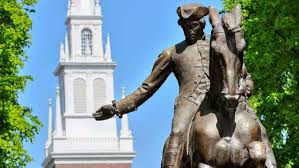
One of the greatest acts of historical travel is simply to be still. Sit on a bench in a city square. Walk a trail at dusk. Stand beside a statue not just to photograph it, but to study its material, its posture, its inscription. Sit under a tree that’s older than your grandparents and wonder who else has rested there.
Stillness invites presence. And presence invites memory to rise.
Honor the Silence
Not every story is loud. Not every piece of history is well-documented. Many places carry the burden of unacknowledged trauma, displacement, or loss. Sometimes, there’s no plaque. No tour. No guidebook entry. But the story is there, in the silence.
Engaging like a historian means being humble enough to honor that silence. Sometimes it means saying nothing at all, just bearing witness.
Carry It Forward
When you leave a place—whether it’s a well-visited monument or a forgotten country road—carry its story with you. Write about it. Tell someone. Reflect on it in your journal. Ask yourself what it meant to you, and how it connects to the broader world.
Being a historian doesn’t mean you have to publish or teach. It means you remember. You consider. You pass it on.
A Final Thought
Traveling like a historian is not about knowing everything. It’s about wanting to understand more. It’s about walking through time with open eyes and an open heart.
So the next time you step into a place—a battlefield, a national park trail, a quiet town, or the worn sidewalks of a forgotten neighborhood—pause. Ask. Listen. Let the past speak through the stones and trees and voices around you.
You’re not just traveling. You’re time-traveling. And the stories are waiting for you to hear them.
What’s a place that spoke to you in unexpected ways? Have you ever found history hidden where you least expected it? Share your story in the comments below—or send me a message. I'd love to hear what you're discovering on your own journey through history.


Comments